
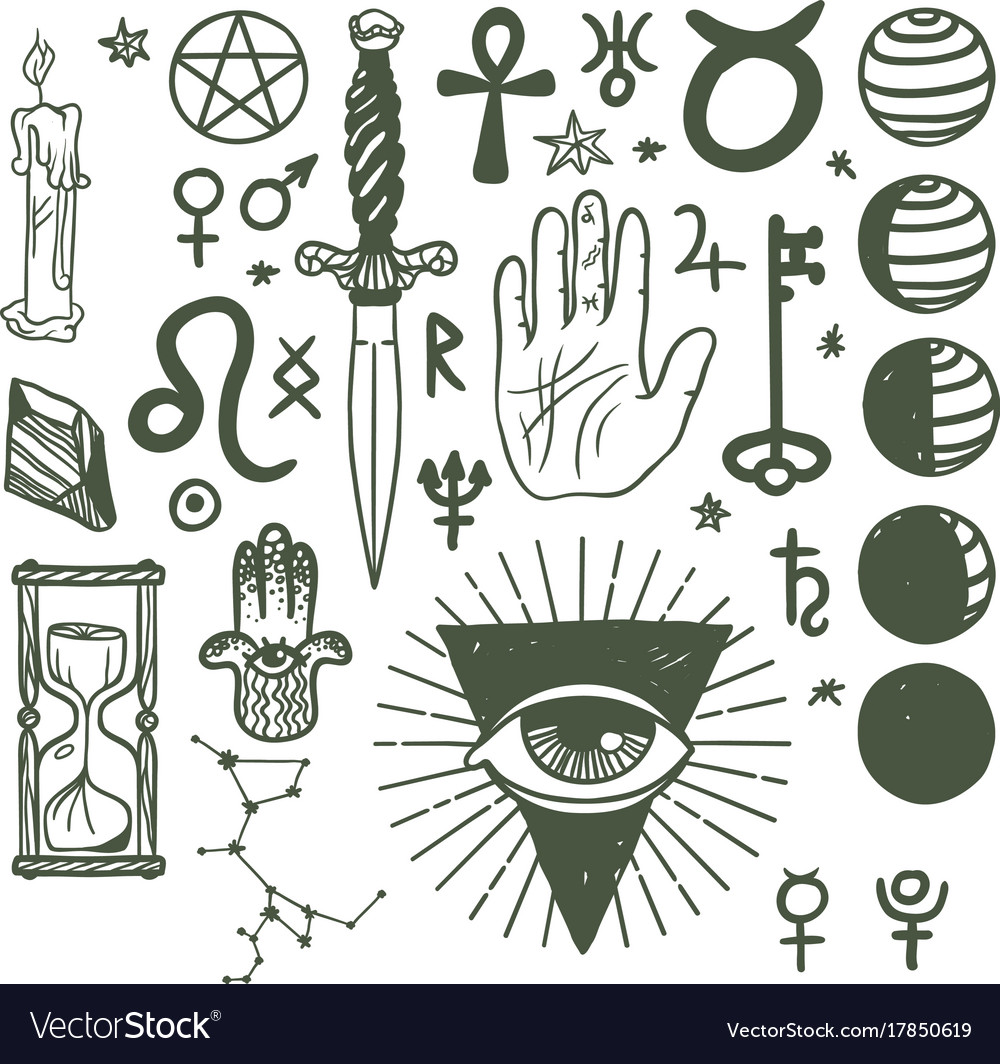
Symbols permeate every aspect of human life, silently communicating meaning, values, and beliefs across cultures and generations. From ancient hieroglyphs carved into stone to modern-day logos adorning billboards, symbols wield a profound influence on our subconscious minds, shaping our perceptions and guiding our behaviors in ways we may not always recognize.
At its essence, a symbol is more than just a visual representation; it is a vessel of collective consciousness, embodying shared experiences, emotions, and aspirations. Whether it’s the cross, the crescent moon, the yin and yang, or the swastika, symbols evoke deep-seated associations and trigger emotional responses that transcend linguistic and cultural barriers.
The power of symbols lies in their ability to tap into the subconscious mind, where primal instincts and archetypal imagery reside. Carl Jung, the renowned Swiss psychiatrist, introduced the concept of archetypes—universal symbols and motifs that are deeply ingrained in the human psyche and emerge in dreams, myths, and rituals across cultures. Archetypes such as the hero, the wise old man, and the mother figure resonate with us on a primal level, evoking feelings of familiarity and resonance.
Consider the significance of the cross, arguably one of the most potent symbols in human history. To Christians, it represents the crucifixion and resurrection of Jesus Christ, embodying themes of sacrifice, redemption, and divine love. Yet, the cross also holds broader cultural significance, symbolizing concepts of suffering and salvation that transcend religious boundaries. Its simple yet profound form elicits a myriad of emotions, from reverence and awe to sorrow and hope.
Similarly, the swastika—a sacred symbol in Hinduism, Buddhism, and other Eastern traditions—has been appropriated and distorted by the Nazi regime, forever tarnishing its original meaning. Once a symbol of auspiciousness and good fortune, the swastika now evokes revulsion and condemnation, serving as a stark reminder of the horrors of genocide and ethnic cleansing.
In the realm of advertising and branding, symbols play a pivotal role in shaping consumer perceptions and influencing purchasing decisions. Logos such as the Nike swoosh, the Apple bitten apple, and the McDonald’s golden arches are instantly recognizable symbols that evoke a myriad of associations and emotions. Through strategic design and clever marketing, companies harness the power of symbols to cultivate brand loyalty and establish emotional connections with consumers.
Moreover, symbols are integral to the language of dreams, serving as conduits for the subconscious mind to express desires, fears, and unresolved conflicts. Dream symbols often manifest in cryptic and enigmatic forms, inviting interpretation and introspection. Whether it’s a soaring eagle, a labyrinthine maze, or a shimmering oasis, dream symbols offer valuable insights into the inner workings of the psyche and the deeper layers of the unconscious.
The study of symbols extends beyond the realm of psychology and anthropology to encompass philosophy, art, literature, and religion. From the alchemical symbols of transformation to the mystical imagery of tarot cards, symbols serve as portals to hidden realms of meaning and transcendence. They invite us to embark on a journey of self-discovery and spiritual awakening, as we seek to decipher the mysteries of existence and unravel the secrets of the cosmos.
In a world inundated with symbols, it is imperative to cultivate awareness and discernment, lest we become unwitting pawns in the game of manipulation and deception. By interrogating the symbols that surround us and interrogating their underlying meanings, we reclaim agency over our thoughts, beliefs, and actions. We recognize that symbols are not static entities but living manifestations of the collective human imagination, constantly evolving and adapting to the ever-changing currents of history and culture.
In conclusion, symbols are potent catalysts for transformation and transcendence, serving as bridges between the conscious and unconscious realms of the human psyche. They possess the power to inspire, provoke, and illuminate, guiding us on a journey of self-discovery and enlightenment. As we navigate the labyrinth of symbols that populate our world, let us heed the wisdom of the ancients and embrace the transformative potential of the symbolic language that binds us all.