
Introduction
Tarot cards, with their enigmatic symbols and archetypal imagery, have fascinated and intrigued people for centuries. Beyond their reputation as tools for fortune-telling, tarot cards offer a profound glimpse into the depths of the human psyche. In this comprehensive exploration, we delve into the rich history, symbolism, and psychological significance of tarot cards, revealing how they serve as a window into the unconscious mind.
A Brief History of Tarot
The origins of tarot cards are shrouded in mystery, with various theories tracing their roots to ancient Egypt, China, or medieval Europe. The earliest known tarot decks date back to the 15th century, emerging in Renaissance Italy as playing cards for games such as tarocchi and tarot. Over time, tarot decks evolved to incorporate symbolic imagery drawn from diverse religious, mythological, and cultural traditions.
Structure of the Tarot Deck
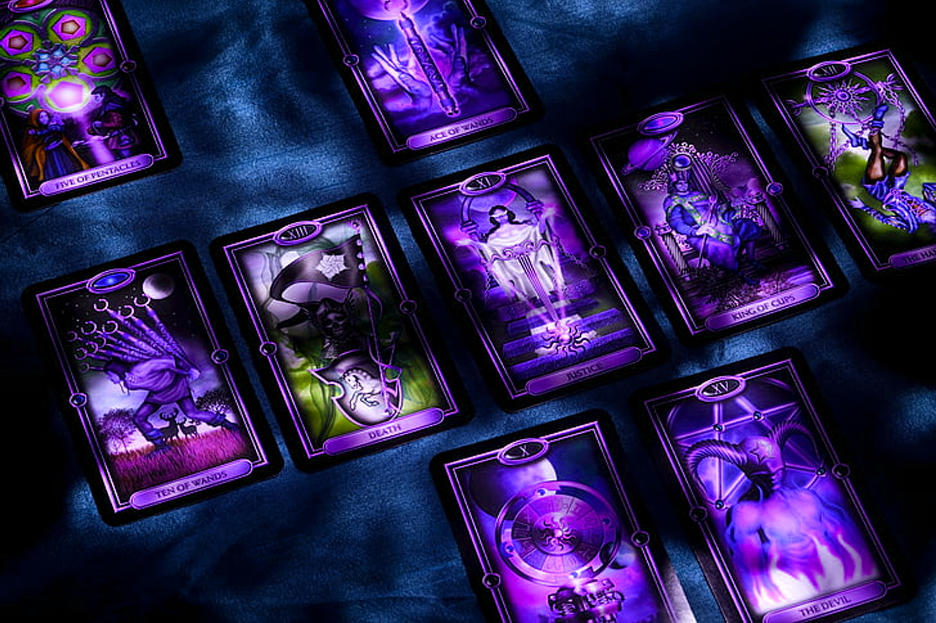
A standard tarot deck consists of 78 cards, divided into two main categories: the Major Arcana and the Minor Arcana. The Major Arcana comprises 22 cards, each depicting powerful archetypal figures and universal themes such as The Fool, The Magician, and The High Priestess. These cards symbolize significant life lessons, spiritual insights, and transformative experiences.
The Minor Arcana consists of 56 cards divided into four suits—Wands, Cups, Swords, and Pentacles—each representing different aspects of human experience: creativity, emotions, intellect, and material concerns, respectively. The Minor Arcana cards offer practical guidance and insights into everyday challenges and opportunities.
Symbolism and Imagery
At the heart of tarot symbolism lies a rich tapestry of archetypal images, allegorical motifs, and esoteric symbols. Each card in the tarot deck carries multiple layers of meaning, inviting interpretation and reflection from the reader. The intricate artwork and symbolism of tarot cards provide a visual language through which the unconscious mind communicates its insights, fears, and desires.
For example, The Fool card symbolizes new beginnings, innocence, and the spirit of adventure, while The Lovers card represents choices, relationships, and the union of opposites. The imagery of each card resonates with universal themes and psychological motifs, tapping into the collective unconscious shared by humanity.
Psychological Interpretations of Tarot
While tarot cards are often associated with divination and fortune-telling, they also hold profound psychological significance. Psychologist Carl Jung viewed tarot as a valuable tool for accessing the unconscious mind and exploring the depths of the psyche. According to Jungian psychology, the archetypal symbols and themes depicted in tarot cards reflect universal patterns of human experience and the dynamics of the collective unconscious.
Jung believed that tarot readings could serve as a form of active imagination, allowing individuals to engage with their inner selves and explore unconscious thoughts, emotions, and conflicts. By interpreting the symbolism of tarot cards, individuals gain insight into their subconscious motivations, fears, and aspirations, facilitating personal growth and self-awareness.
Tarot and the Hero’s Journey
Joseph Campbell’s concept of the Hero’s Journey provides another lens through which to understand the symbolism of tarot cards. The Hero’s Journey, as outlined in Campbell’s seminal work “The Hero with a Thousand Faces,” describes the archetypal narrative of the hero’s quest for self-discovery, transformation, and enlightenment.
In the context of tarot, the journey of the hero is mirrored in the sequence of cards in the Major Arcana, from the naive innocence of The Fool to the ultimate enlightenment of The World. Each card represents a stage of the hero’s journey, complete with trials, challenges, and moments of revelation. By following the narrative arc of the tarot, individuals embark on their own heroic quest toward self-realization and spiritual fulfillment.
Tarot Readings and Personal Insight
Tarot readings offer a powerful means of accessing personal insight and intuitive wisdom. During a tarot reading, the reader selects cards from the deck and interprets their meaning in the context of the querent’s question or situation. Through the process of reflection and dialogue, tarot readings illuminate hidden aspects of the psyche, shed light on unresolved issues, and offer guidance for navigating life’s complexities.
While some practitioners approach tarot readings from a spiritual or metaphysical perspective, others view them as a therapeutic tool for self-exploration and introspection. Tarot readings can provide individuals with clarity, validation, and a deeper understanding of themselves and their relationships. By engaging with the symbolism of tarot cards, individuals gain insight into their subconscious thoughts and emotions, empowering them to make informed decisions and embrace their personal journey of growth and transformation.
Ethical Considerations in Tarot Practice
As with any form of divination or psychological inquiry, ethical considerations are paramount in the practice of tarot. Tarot readers must approach their work with integrity, sensitivity, and respect for the querent’s autonomy and well-being. It is essential to maintain confidentiality, uphold professional boundaries, and refrain from making predictions or offering medical, legal, or financial advice.
Furthermore, tarot readers should cultivate self-awareness and emotional resilience to navigate the complex dynamics that may arise during a reading. Practitioners must recognize their limitations and the inherent subjectivity of tarot interpretation, acknowledging that the insights gleaned from a tarot reading are ultimately shaped by the querent’s perceptions and experiences.
Tarot cards serve as a profound gateway to the unconscious mind, offering a symbolic language through which individuals can explore the depths of their psyche, uncover hidden truths, and embark on a journey of self-discovery and transformation. Whether approached as a spiritual practice, a therapeutic tool, or a means of personal insight, tarot holds the potential to illuminate the mysteries of the human experience and guide individuals toward greater clarity, authenticity, and fulfillment on their path through life.