
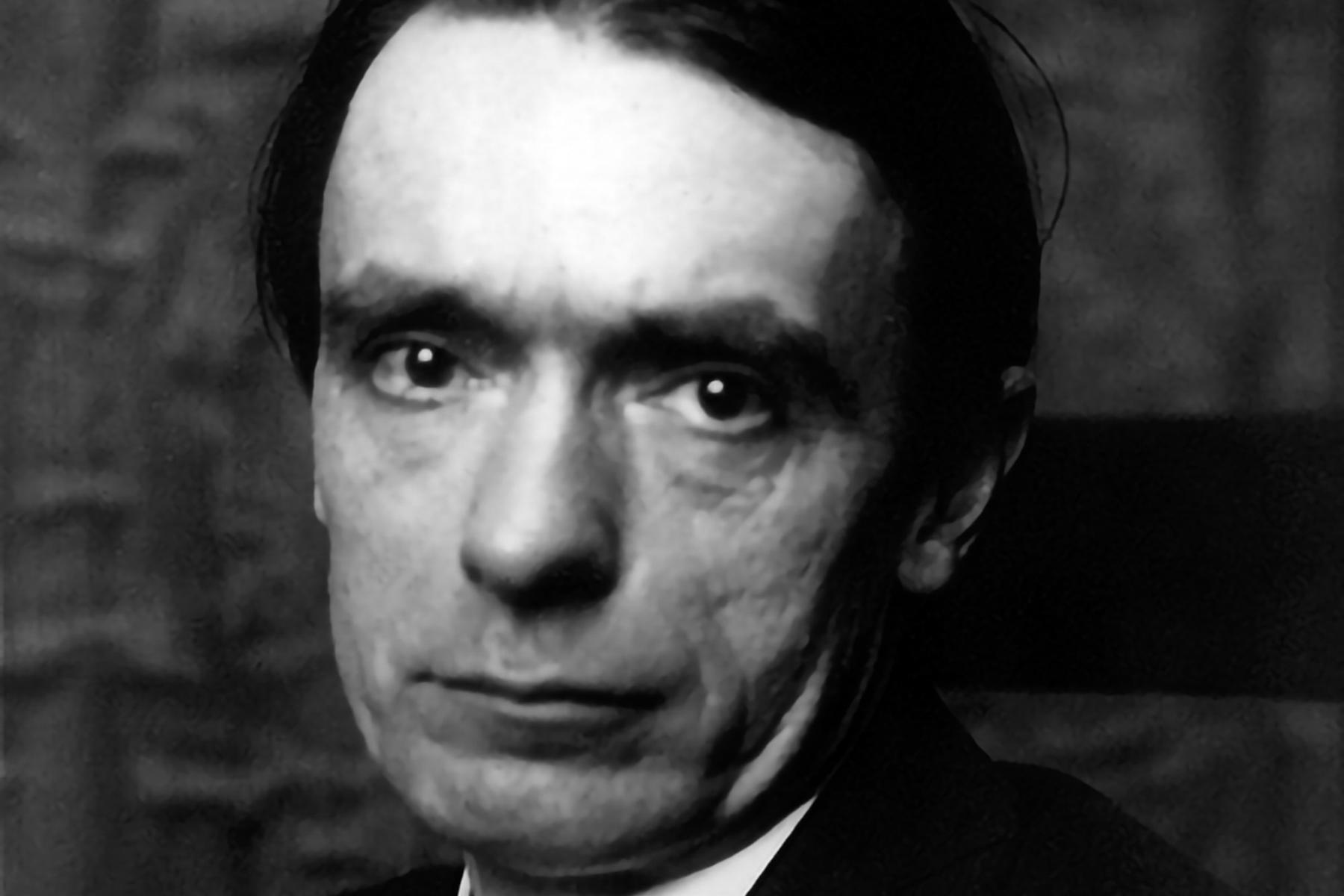
Rudolf Steiner, a name that resonates with both reverence and curiosity, stands as one of the most influential figures of the 20th century. Known for his multifaceted contributions to philosophy, education, spirituality, and the arts, Steiner’s legacy continues to inspire and provoke thought even today. From his groundbreaking work in Anthroposophy to his innovative educational methodologies, Rudolf Steiner remains a figure of deep intrigue and significance. In this exploration, we delve into the life, ideas, and enduring impact of this visionary thinker.
Early Life and Influences
Rudolf Steiner was born on February 27, 1861, in Kraljevec, Austria-Hungary (now in Croatia). His childhood was marked by a keen intellect and a profound interest in the natural world, philosophy, and spirituality. Early encounters with literature, especially the works of Goethe and Nietzsche, laid the groundwork for his later philosophical endeavors.
Steiner’s academic journey led him to the Vienna Institute of Technology, where he studied mathematics, physics, and philosophy. He also delved deeply into the works of Kant and Fichte, developing a philosophical framework that would later shape his own ideas.
The Birth of Anthroposophy
It was during his tenure as the editor of the scientific works of Johann Wolfgang von Goethe that Steiner’s unique worldview began to take shape. Goethe’s holistic approach to science and art deeply influenced Steiner, leading him to explore the interconnectedness of the natural world and the human spirit.
In 1902, Steiner published his seminal work, “The Philosophy of Freedom,” in which he articulated his philosophy of spiritual freedom and individualism. This work laid the foundation for Anthroposophy, a term Steiner coined to describe his spiritual philosophy.
Anthroposophy, meaning “wisdom of the human being,” is a holistic philosophy that seeks to integrate the spiritual and the material realms. It emphasizes the development of spiritual consciousness and the cultivation of human potential through inner work and self-discovery.
The Waldorf Education Movement
One of Steiner’s most enduring legacies is his innovative approach to education, known as Waldorf education. In response to the industrialization of education and the dehumanizing effects of standardized curriculum, Steiner developed a holistic educational model that seeks to nurture the physical, emotional, and intellectual development of the child.
Waldorf education is based on the recognition of the individuality of each child and seeks to cultivate their innate capacities and talents. It emphasizes experiential learning, artistic expression, and a deep connection to nature.
Central to Waldorf education is the concept of rhythm, which seeks to harmonize the intellectual, artistic, and practical aspects of learning. Steiner believed that by engaging the child’s imagination and creativity, education could become a transformative and enriching experience.
Contributions to Agriculture and Medicine
Steiner’s influence extended beyond philosophy and education into the realms of agriculture and medicine. In 1924, he delivered a series of lectures on agriculture in response to the degradation of soil and the rise of industrial farming practices.
Steiner’s agricultural insights, known as biodynamic agriculture, emphasize the importance of nurturing the vitality of the soil and the interconnectedness of plant, animal, and human life. Biodynamic farming practices, which include the use of composting, crop rotation, and herbal preparations, seek to restore harmony to the land and promote the health and well-being of all living beings.
In addition to his contributions to agriculture, Steiner also made significant advancements in medicine. He developed a holistic approach to healing known as anthroposophic medicine, which seeks to address the underlying spiritual, emotional, and physical causes of illness.
Legacy and Controversies
Rudolf Steiner’s legacy is a complex tapestry of profound insights, innovative ideas, and enduring controversies. While his contributions to philosophy, education, and spirituality have inspired generations of thinkers and practitioners, his ideas have also sparked debate and criticism.
Critics have raised concerns about the esoteric nature of Anthroposophy and its perceived lack of scientific rigor. Others have criticized Steiner’s views on race and ethnicity, which have been characterized as problematic and racially essentialist.
Despite these controversies, Rudolf Steiner’s influence continues to reverberate across diverse fields and disciplines. His holistic vision of human potential and the interconnectedness of all life remains a source of inspiration and inquiry for those seeking deeper meaning and purpose in an increasingly complex world.
Conclusion
Rudolf Steiner, a visionary thinker ahead of his time, left an indelible mark on the intellectual, cultural, and spiritual landscape of the 20th century. From his pioneering work in Anthroposophy to his revolutionary approach to education and agriculture, Steiner’s ideas continue to challenge and inspire us to explore the depths of human consciousness and the mysteries of existence.
As we reflect on the life and work of Rudolf Steiner, we are reminded of the power of imagination, the importance of spiritual inquiry, and the enduring quest for truth and understanding. In an age marked by uncertainty and upheaval, Steiner’s vision of a more harmonious and interconnected world offers a beacon of hope and inspiration for generations to come.